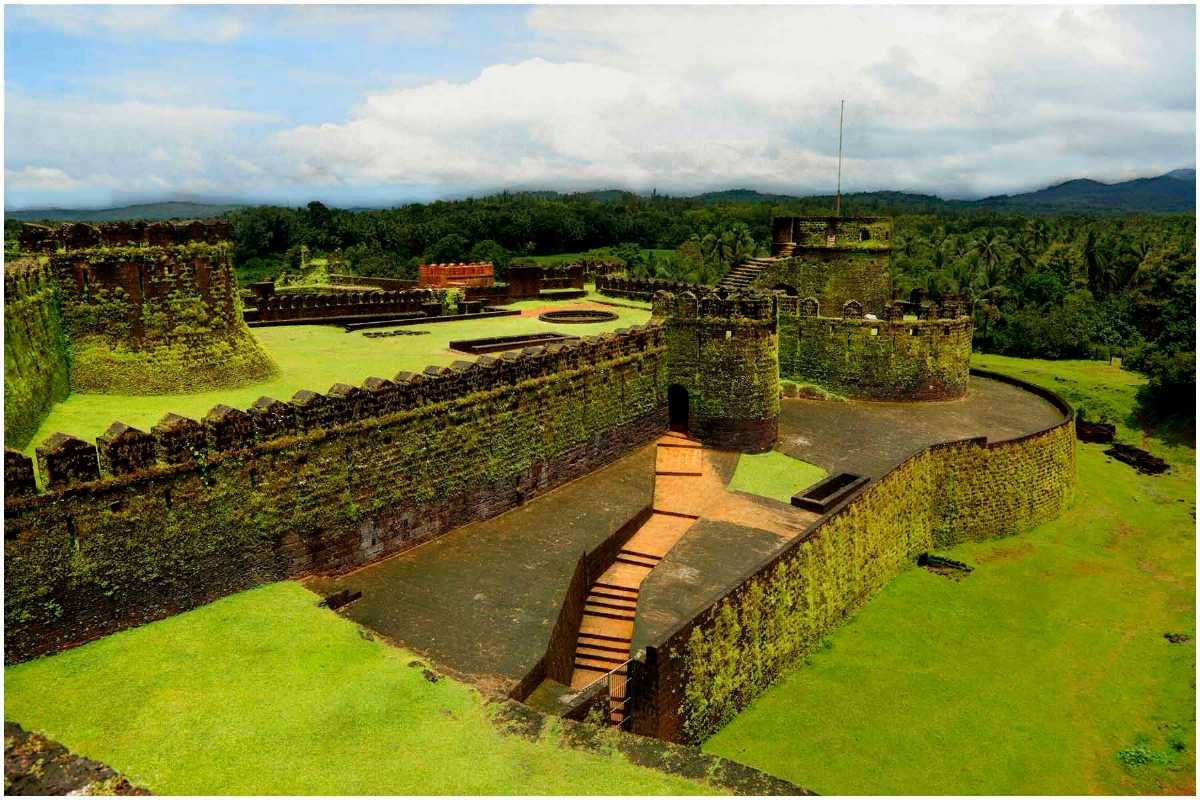
Mirjan Fort
About Mirjan Fort
Far From City: 7 kms from city center
Cost:
About Mirjan Fort
Weather:
Time Required:1-2 hrs
Open Time:9:00 AM - 5:00 PM
Cost:No entry fee
History of Mirjan Fort
Mirjan Fort has a glorious history, and there are several versions of its origins. According to the most famous one, the fort was built in the 16th century by the Pepper Queen, Chennabhairav Devi from the Tuluva-Saluva clan. She was the Queen of Gersoppa, a subordinate of Vijayanagar kings and her reign is one of the longest (54 years) by a female in the subcontinent. Her stronghold was centred on North and South Kanara districts and south Goa.
After the battle of Tallikota in 1565, when the territory was attacked by Bijapur Sultans, she shifted her power base from Mirjan to a safe location on an island in the middle of the Sharavathi River. She later converted to Jainism and constructed several Jain basadis. In 1757, the Marathas got control over the fort, and in 1784 it was seized by the British.
A different version narrates that the fort was built by Nawayath Sultanates in early 1200 A.D. and after that, it came under the Vijayanagara Empire.
According to another version of the fort's origin, it was built by a Bijapur noble Sherif-ul Mulk to serve as the first line of defence to protect the town of Kumta and the Kumta fort located to its south.
One more version narrates that Mirjan fort was under the control of the Vijayanagara Empire. Later, when the empire fell, Bijapur Sultans captured it and Sharief-ul-mulk, the erstwhile governor of Goa, refurbished it to his liking. In 1676, queen Chennamma of Kela died dynasty occupied this territory. In 1757, taking advantage of a local revolt and uproar, the marathas captured the fort and then in 1784, British government Major Torriano had captured it.
Architecture of Mirjan Fort
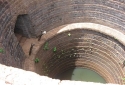
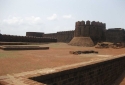
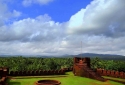
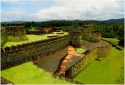
The fort is built over an area of 10 acres from locally available laterite stones. Constructed in a manner of Indian forts architecture, it also indicates the influence of Portuguese and Islamic culture. Mirjan fort has been built to withstand the harshest of battles and to persevere under siege. Several wells inside have been constructed to preserve the water for later or during battles use.
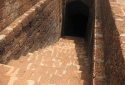
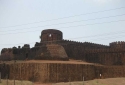
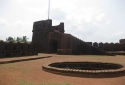
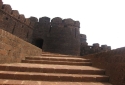
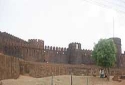
The high walls, watchtowers and bastions made it one of the most secure forts. There are four entrances (one main and three subsidiaries) and several interlinked wells access channels leading to the circular moat (probably used as a defence measure to protect the fort). The moat leads to the canal works outside the fort's limits and surrounds it completely. Escape gates are also constructed to make a quick getaway during enemy attacks.
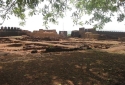
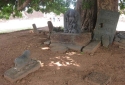
A temple is also present in the premises under a tree. After the many battles fought, the fort is now mostly in ruins, which is being restored by the ASI to some extent. In the restoration work, northern bastion fortification has been refurbished with stones found in the area. The wild forest growth has also been cleaned up.
Best time to visit Mirjan Fort
You can visit the Mirjan fort all year round. However, if you want to witness the majestic fort enveloped in greenery, its best to visit during or right after the monsoon.
How to Reach Mirjan Fort
Mirjan Fort is located at distance of 11 km from Kumta, 22 km from Gokarna, 31 km from Honavar, 59 km from Karwar and 56 km from Murudeshwar. You can take a bus or hire a private car from any of these cities.
Top Tourist Places in Kumta
Mirjan Fort
Shopping in Kumta
Mahalasa Temple
Gokarna: Mahabaleshwar Temple
Om Beach
Baada Beach
All Tourist Places in Kumta
Photos of Mirjan Fort
Comments on Mirjan Fort
Post Your Comment