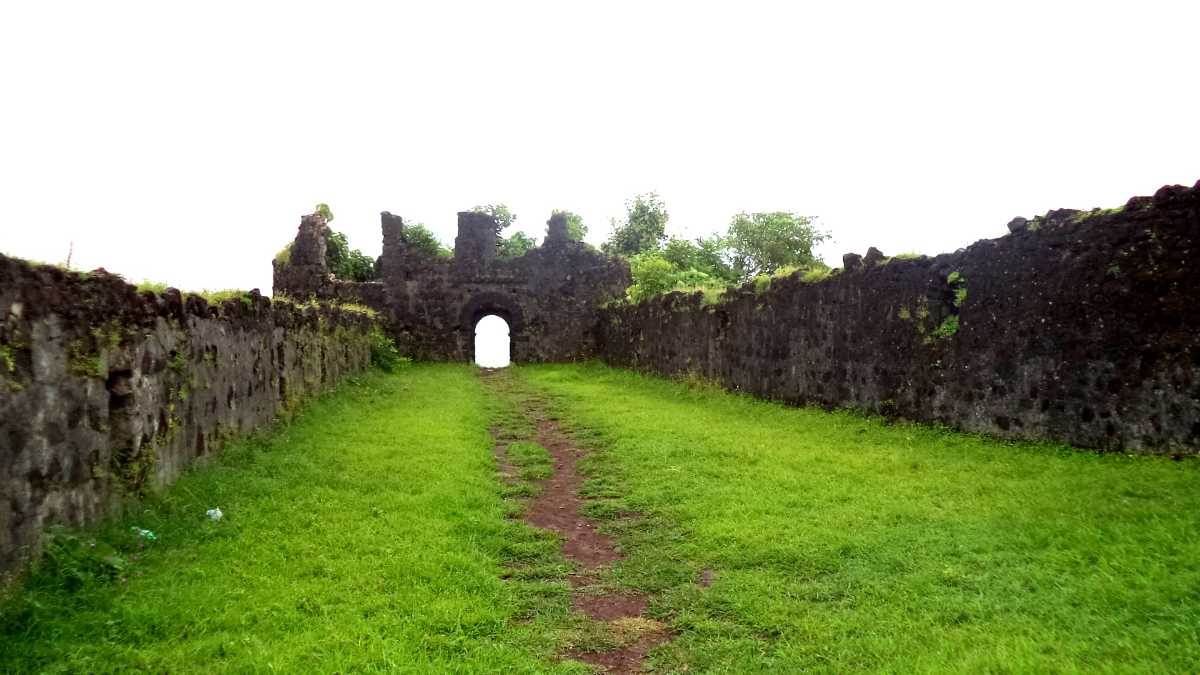
Korlai Fort
About Korlai Fort
Far From City: 11 kms from city center
Cost:
About Korlai Fort
Weather:
Time Required:1-2 hrs
Open Time:Sunrise to Sunset
Cost:No entry fee
History of Korlai Fort
Formerly known as Ceul Rock, this site has been a witness to many struggles between the Portuguese and the Muslims. With the aid and permission of the Ahmednagar Sultanate, the Portuguese commissioned the building of the Korlai fort, which was completed in 1521. It was used as a mutually-dependent place of operation between the two regimes until 1594 when tensions broke out, and Abranches, a Portuguese captain with approximately 1,500 soldiers and 1,500 locals, took over the fort. It is said that the army camped there tried to prevent this by placing a dead elephant at the main gate and a dead horse at the inner gate.
Although the residing soldiers surrendered, the Portuguese did not have enough men to stand guard and destroyed much of the fort, leaving behind only the central watch tower in place. The son of Shivaji Maharaja, Sambhaji Maharaja, attempted to capture it but failed and backed out on 6th December 1687. The Marathas finally took over the fortification in 1739 and ruled over the area until 1818.
From 1818 onwards, till Indian independence, it was under the rule of the East India Company and subsequently the British Raj. Few areas of the ruined fort, such as the church were made operable and were used during weekends and holidays. The Korlai Fort was revered and appreciated by travelers and visitors before its destruction due to wars.
Construction of Korlai Fort
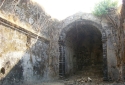
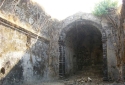
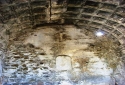
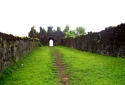
The large fortification was once said to house around 7,000 horses and as many men! The area covered by the fort is quite large, and it stands tall at the height of 2828 feet. The main entrance to the fort is guarded by a bronze lion, and a bronze eagle is placed over the highest watchtower. There are eleven gates in the fort, four outside and seven inside. The area within the fort is divided into three sections by two lines of bastioned fortifications. A church is also present on the fort premises, built in 1630, and it was operational until 1728.
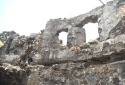
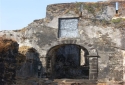
There is an essential inscription over the doorway, surmounted by a coat of arms and having Portuguese stars in the middle of seven castles. Two other inscriptions over the main entrance and an altar in the chapel are both undecipherable and worn out. Described by travellers and visitors as 'a magnificent fortress strong as any other in the world', the Korlai Fort ruins are a proof of its lost glory. The fort, although in ruins, is an endearing historical site.
Korlai Lighthouse
One of the things that reflect the loveliness of this architecture is the lighthouse at the southern end. With its delicate roads up to the top, the lighthouse is surrounded by a well-maintained garden. A spiral staircase leads to the top of the establishment from where one can enjoy a panoramic view of the entire area.
Things To See at Korlai Fort
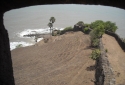
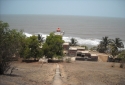
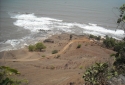
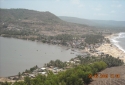
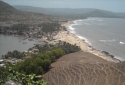
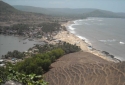
The unmatched scenery of the sea is the primary reason tourists, and visitors flock here. Impressive views of the bay guarding the entrance to the Revdanda creek and long stretches of sandy beaches are a sight to see.
This is one of the more impressive forts in the region due to the long history associated with the place.
An ancient water cistern by the name of Santa Cruz is present in the northern region of the fort.
The Korlai lighthouse still operates and one can visit here from the southern gate. Remnants of the Portuguese occupation can be spotted in the unique dialect of Portuguese Creole called Kristi (still used by native Korlai village inhabitants) in the many inscriptions over the gate walls and altar (as mentioned above). The ruins itself transport you back in time and captivate your curiosity with utmost charm.
Best time to visit Korlai Fort
The fort can be visited any time of the year but the winter and monsoon months are apt. Summers can get pretty hot with the temperatures reaching up to 40 degrees Celsius making it uncomfortable to explore the site.
How to Reach Korlai Fort
The Korlai Fort can be easily reached by road from major cities like Mumbai (111 kilometres) and Pune (160 kilometres), from where local buses operate on an almost daily basis. Nearby towns such as Murud, Roha and Alibaug are also well connected by state transport. The nearest railway station is in Pen, about 50 kilometres from Korlai.
If visiting from Alibaug, take the first right after crossing Kundalika River. On reaching the village, ask any local for the directions and you will be guided to Korlai Fort. The road to the fort is poorly constructed, bumpy and uneven at places. The way is very narrow and only one car can cross at a time. However, the view is spectacular and makes up for the bad roads.
There is limited parking space near the fortress, accommodating only around ten cars. From the parking, you have to trek a little. The hiking involving ascending some stairs (around 100 steps) which take around 15 minutes. It is an easy hike which can be done by kids also.
Top Tourist Places in Kashid
Murud Janjira Fort
Korlai Fort
Phansad Bird Sanctuary
Revdanda Beach and Fort
City Shopping
Datta Manir
All Tourist Places in Kashid
Tips
1. The best way to enter the fort is from the lighthouse side entry gate, which also lies at the end of the bus route.2. There is a lot of walking involved in exploring the site. So, make sure to wear comfortable footwear.3. A local guide is available at the fort premises who assists in reaching the lighthouse, all the while narrating the history of the fort.4. There is a small shop beside the Korlai Lighthouse which sells snacks and coldrinks.5. The person in charge of the lighthouse generously explains its functioning for a nominal fee.6. If visiting during the summers, beware of the snakes.
Photos of Korlai Fort
Comments on Korlai Fort
Post Your Comment