History of Navagraha Temple
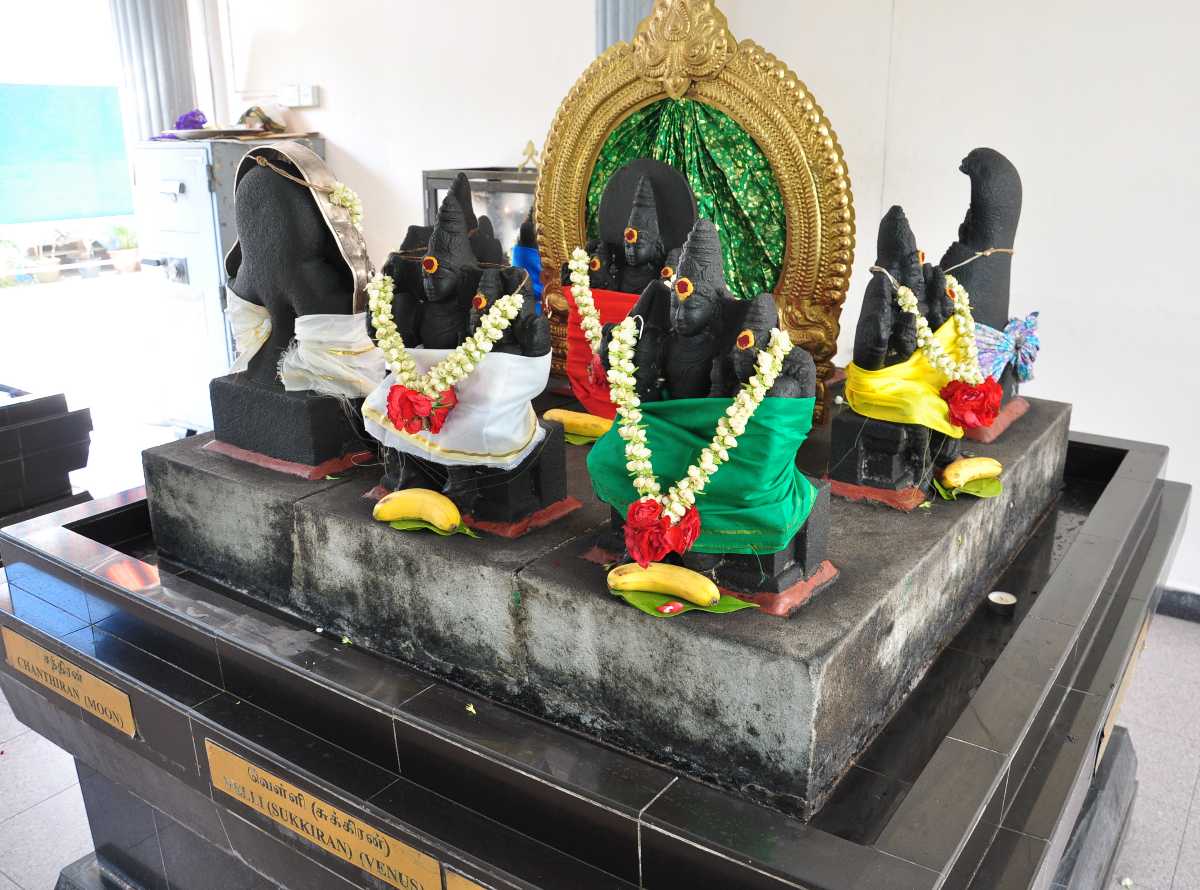
The Navagraha Temple was constructed in the year 1752 A.D. by the Ahom King Rajeswar Singha, who dedicated the temple to the navagrahas, that is the nine planets ('Nav' means nine while 'Grahas' means planets). These are Surya (Sun), Chandra (Moon), Mangala (Mars), Budha (Mercury), Brihaspati (Jupiter), Shukra (Venus), Shani (Saturn), Rahu (North Lunar Node) and Ketu (South Lunar Node). The Silpukhuri Tank that is located close by was also excavated under the orders of the same king.
A large part of the temple and also a temple tower was earlier destroyed by an earthquake, but the structure was later on restored and brought back to life. The inner quarter of the temple, also known as the garbhagriha, survived the earthquake, but the upper portion of the temple had to be rebuilt with corrugated iron sheets.
Significance of Navagraha Temple
The nine celestial bodies are considered to be of extreme importance in Hindu mythology, and people firmly believe that the movements of these heavenly bodies can affect the health and prosperity of people. Thus, these nine celestial bodies are alleviated to the status of deities and worshipped with great devotion in this temple.
It is also widely believed that worship of the planets in this temple wards off all evil spirits. Guwahati was initially known as Pragjyotishpur, and according to conventional beliefs, this ancient name also owes itself to the existence of such a temple in the city. Today, the temple also stands as an important research centre of both astrology as well as astronomy.
Architecture of Navagraha Temple
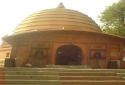
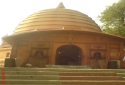
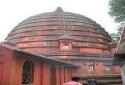
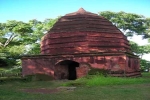
The shape of the Navagraha Temple is like that of a beehive and structure is red in colour. Each heavenly body takes the form of a Shivalinga in the sanctum sanctorum of the temple and is covered with a coloured garment cloth that symbolises the respective body, while the Shivalinga in the centre represents the Sun.
In 1753 A.D., King Rajesvar Singh decided to get a tank excavated near the temple, so that temple goers and devotees have easy access to clean water all year round. Known as 'Silpukhuri', the water tank continues to be as full of water on this date as it was when it was excavated initially and continues to supply water to the needy. The temple also provides a bird's eye view of the entire city, including that of the quietly flowing Brahmaputra.
Navagraha Temple Timings
The Navagraha Temple is open on all days from 4:00 AM to 9:00 PM.
Darshan timings and schedule in the Navagraha Temple:
The darshan timings in the Navagraha Temple are as follows:Mornings: 6:00 AM to 12:30 PMEvenings: 4:00 PM to 8:00 PM
Best time to visit Navagraha Temple
The best time to plan a visit to the Navagraha Temple is from late autumn to spring, that is in the months of November, December, February, and March.
How to Reach Navagraha Temple
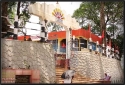
The Navagraha Temple is located on the Navagraha Road on the Chitrasal hills. Getting to the temple is quite easy as direct taxis, buses, and cars on a rental basis are readily available from the Guwahati Railway Station, Paltan Bazaar and other significant areas of the city to take you to the temple.
Top Tourist Places in Dispur
Navagraha Temple
Assam State Emporium
Kamakhya Temple
Guwahati Planetarium
Assam State Zoo and Botanical Gardens
Uma Nanda Temple
All Tourist Places in Dispur
Tips
1. The temple is lit only by oil lamps. Hence, be extremely cautious in the temple premises.2. Monkeys are a common menace and can get quite aggressive at times. It is best to avoid carrying any eatables to the temple.3. Avoid visiting the temple in the summer months as the weather can get unbearably hot. Incessant downpour in the rainy season can also ruin your plans of visiting the temple.